Florida Water Damage Claims: Pipes, Leaks & Interior Repairs
Water from a failed pipe, appliance or roof can affect more than the visible surface. OTM can help review the damage, mitigation records and insurance estimate.
Water Damage Claims
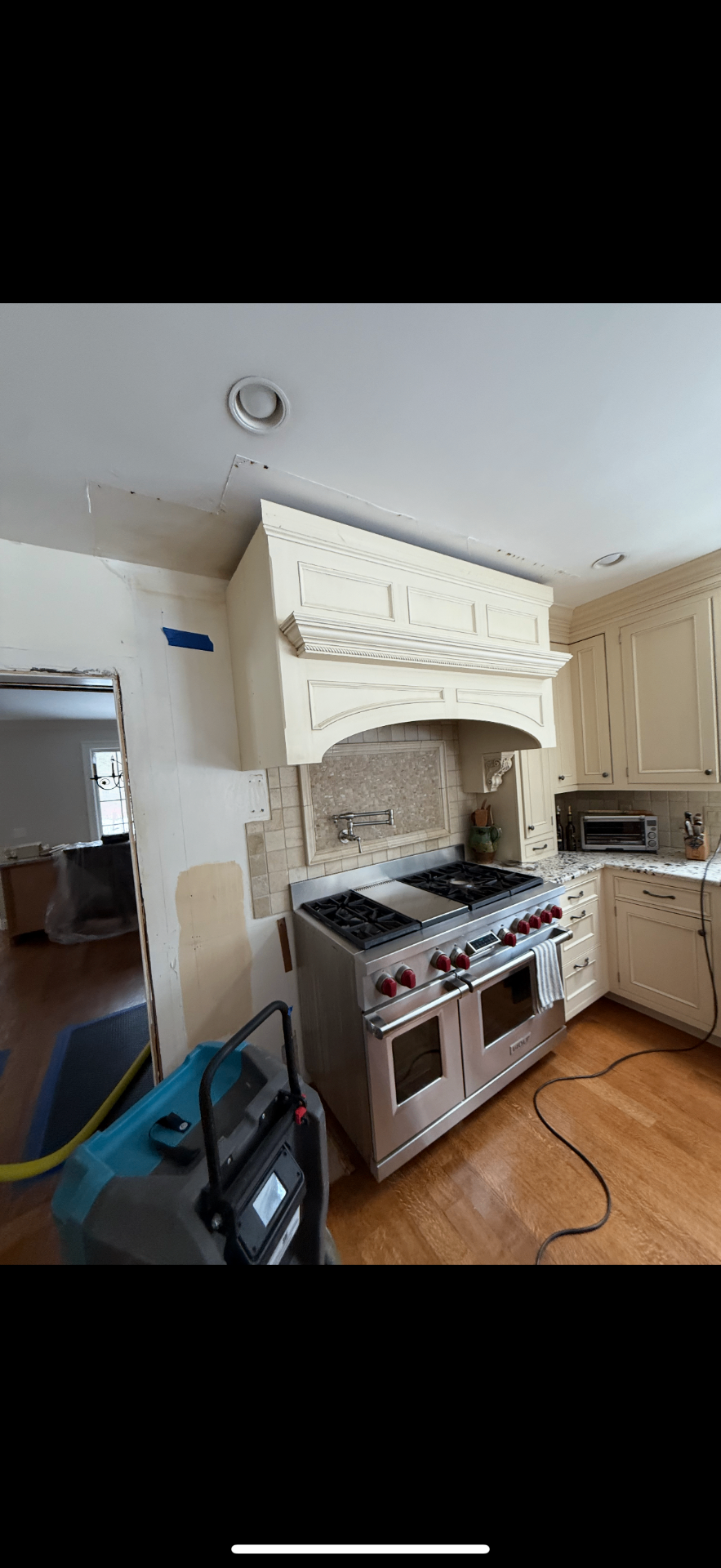
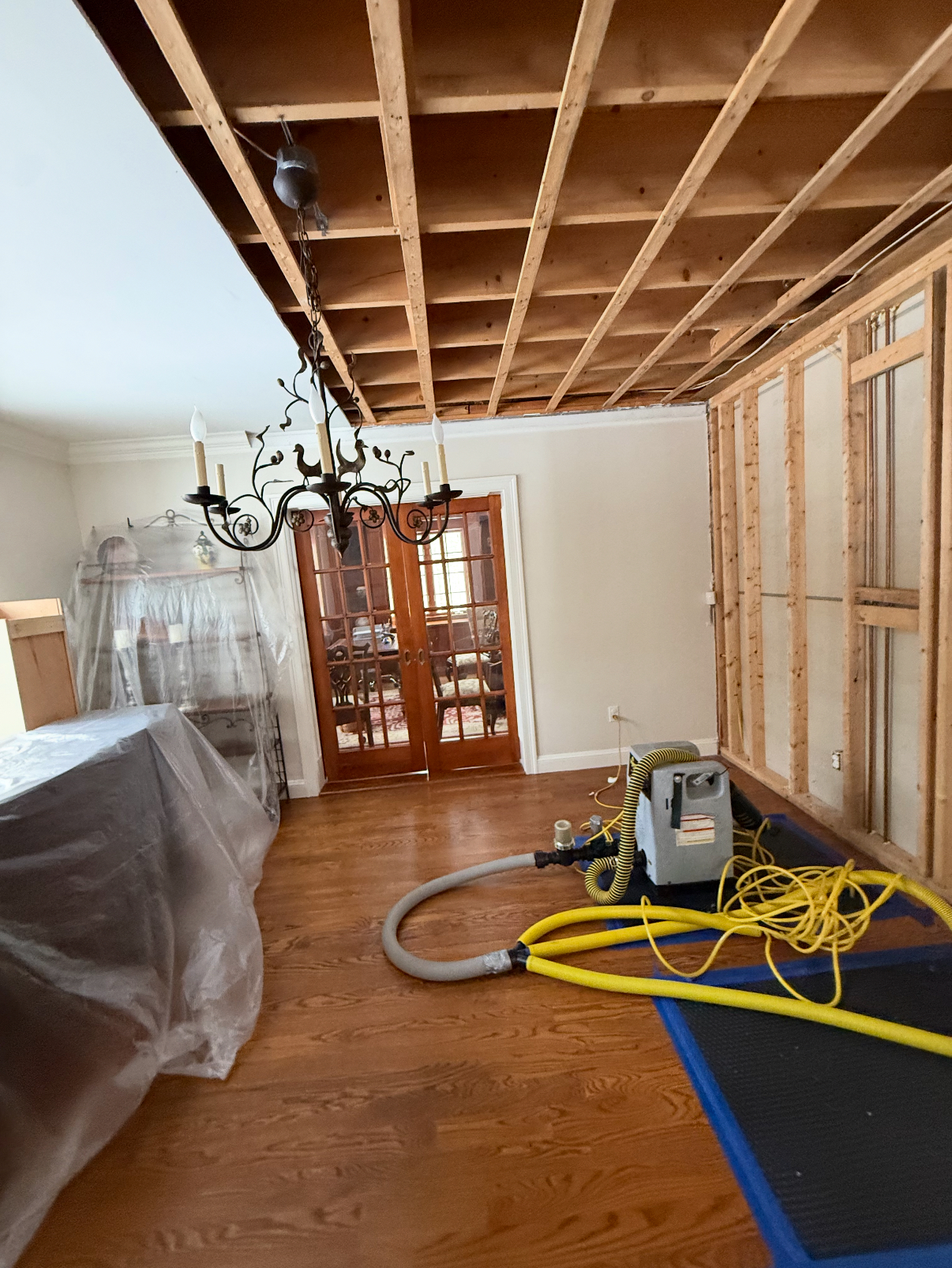
Water damage can begin with a burst supply line, a plumbing discharge, a water heater, an appliance overflow, a roof leak, or a neighboring condo unit. Even a small visible ceiling stain can involve damage to insulation, drywall, cabinets, flooring or electrical materials, so document the extent before repairs change the scene.
Whether a water loss is covered depends on the policy language, the cause and duration of the discharge, exclusions, applicable water-damage sublimits and the evidence. Damage caused by rising surface floodwater is usually evaluated under a separate flood policy, not automatically under a homeowners water-damage provision.
OTM represents policyholders. We can review inspection findings, mitigation invoices, moisture readings, photographs, plumbing reports, building estimates and insurer correspondence to help identify what documentation may be missing from a submitted claim.
If the insurer offers less than the documented scope, imposes a policy limitation or denies part of a loss, request the relevant policy provisions and written explanation. Keep a record of all communications, inspections and supplemental information.
From South Florida condominium leaks to residential and commercial water losses throughout Florida, our focus is a clear claim file, a policy-specific review and realistic next steps rather than promises about coverage or payment.
Document the Water Damage Before Cleanup Changes the Scene
Water may spread beyond the visible stain. When safe, photograph affected ceilings, flooring, walls and contents before work begins, then keep moisture readings and drying reports from your mitigation provider.
Save the plumber's finding about the cause, any supply-line or appliance details, the date you first observed water, and itemized mitigation invoices. Emergency repairs may be necessary to stop further damage; keep records of what was removed.
Understanding Water-Damage Limits and Deductibles
Some Florida policies carry special water-damage sublimits; others do not. A $10,000 limit is not universal and does not automatically mean the policyholder receives $10,000. Read the endorsement, exclusions, deductible and definitions together.
For example, the insurer may apply a covered-loss deductible to its estimate, subject to the actual policy language and coverage limits. OTM can review the estimate against photographs, drying records, contractor scope and applicable terms.
The result depends on your specific coverage and documented loss.
Why Having a Public Adjuster Matters
Water claims are all about how the damage is proven. We:
- Document damage before it disappears
- Separate sudden damage from long-term conditions
- Push back on improper denials and limitations
- Organize the evidence and communicate the requested repair scope
Clear records help everyone understand the cause, scope and reasonable repairs.
Water damage in Florida homes, condos and businesses
What kind of water damage occurred?
Burst pipe or supply line
Document the break, shutoff or repair, first discovery, affected rooms and the materials removed for access.
Appliance or water-heater leak
Save equipment details, service findings, moisture readings and evidence of damage to adjoining cabinets, floors or walls.
Roof leak and ceiling stains
Record weather conditions, entry point if known, roof inspection, interior moisture and emergency protection work.
Condo leak from another unit
Preserve unit-to-unit communications, association reports, governing documents and applicable individual/master policies.
Drain or sewer backup
Check for a specific backup endorsement and document the source, mitigation, cleaning and contamination precautions.
Commercial and multi-unit water loss
Organize tenant impacts, affected equipment, remediation, temporary operations and possible business-income records.
Water damage claim questions
Should I wait for the adjuster before drying out the property?
No. Take reasonable steps to protect the property and prevent further damage when safe. Photograph what you can before removal, retain samples if practical and permitted, and save mitigation invoices and moisture reports.
Is every burst pipe or slow leak covered?
No. Coverage can depend on the cause, duration, exclusions, special water limitations and the specific form. A covered resulting loss does not automatically mean replacement of the failed component is covered.
What if a condo leak comes from a neighboring unit?
Notify the association and relevant insurers promptly. Preserve communications, bylaws and responsibility information. An individual policy, a master policy or both may be involved; responsibility cannot be assumed from the leak's location alone.
Can I ask for a supplemental payment after mitigation?
Potentially, if covered damage or reasonable costs were omitted. Keep invoices, discovery photographs, updated estimates and comply with all notice and claim deadlines.
Does mold automatically make the water claim covered?
No. Mold exclusions, sublimits, required mitigation and cause-of-loss requirements vary. Request the insurer's applicable policy provision and retain professional findings where available.
Official consumer guidance: Florida Department of Financial Services — water losses and policy conditions. Coverage and timing ultimately depend on the issued policy and the facts of the loss.
What Water Damage Documentation Can Show