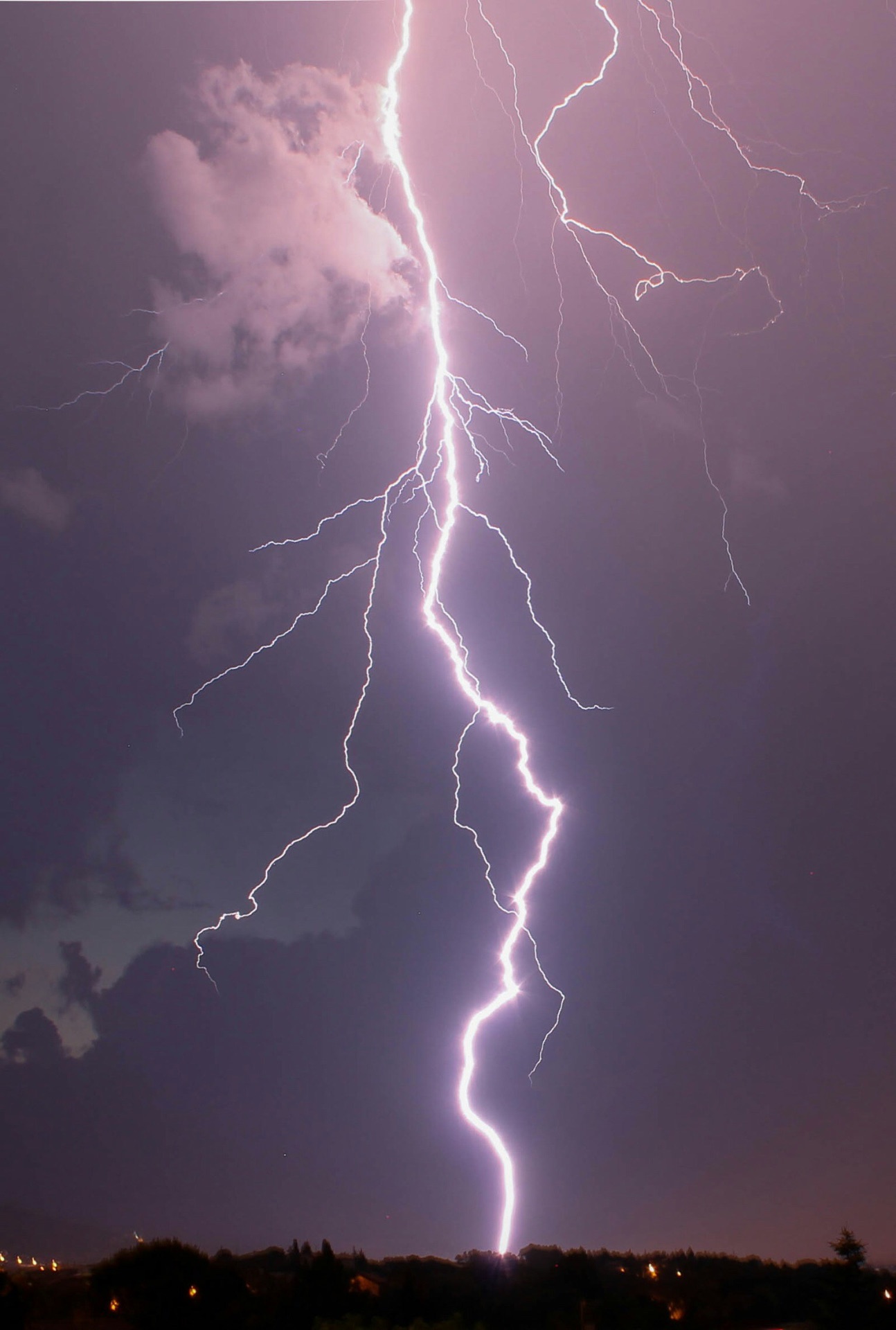
Lightning Damage Can Be Serious Even Without Visible Fire
A single strike can damage electrical systems, appliances, HVAC, electronics, and cause hidden fire or surge damage behind walls. Insurers often address only the obvious.
Lightning Damage Claims
Lightning damage can cause serious and expensive property damage, even when there is no visible fire. A lightning strike can affect electrical systems, appliances, HVAC equipment, security systems, garage doors, pool equipment, wiring, electronics, and other building components. In some cases, lightning can also cause fire, smoke damage, power surge damage, or hidden damage behind walls and ceilings.
Depending on the reported loss, supporting documentation may include qualified electrical assessments, photographs, diagnostic findings, invoices and information connecting the damaged equipment to the reported event.
At On The Mark Claim Adjusting, we represent the policyholder, not the insurance company. Our job is to inspect the damage, document the loss, review the policy, gather supporting information, prepare a detailed estimate, and present the claim properly to the carrier.
Lightning and electrical-surge losses sometimes require careful differentiation among storm-related effects, equipment failure, age or wear, and policy exclusions. The cost of repairs and any insurer payment depend on the documented cause, property affected and actual policy terms.
Lightning damage can involve multiple areas of coverage, including building repairs, electrical systems, appliances, personal property, fire damage, smoke damage, loss of use, and business interruption when applicable.
The impact of a reported strike may not be obvious. OTM can help assemble the available information and communicate supported questions to the insurer.