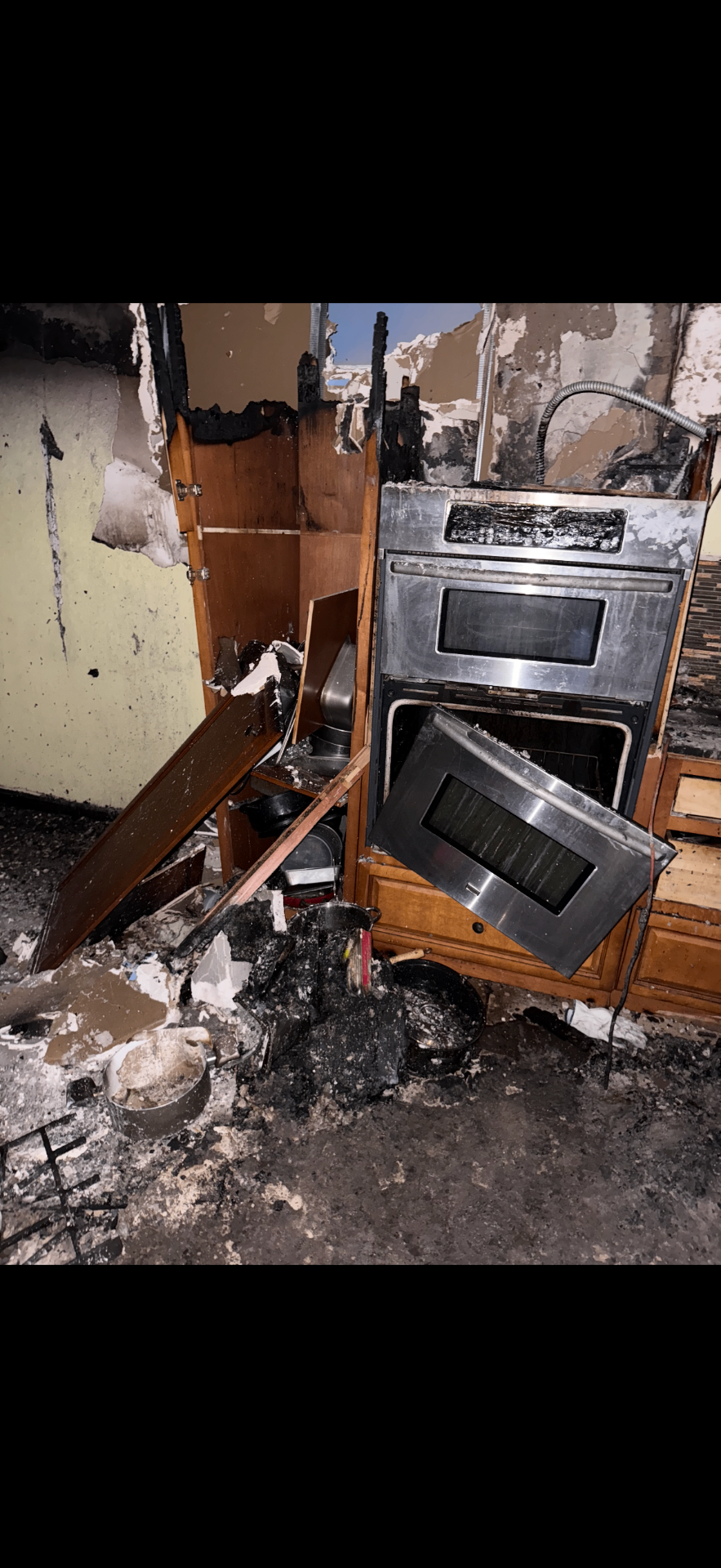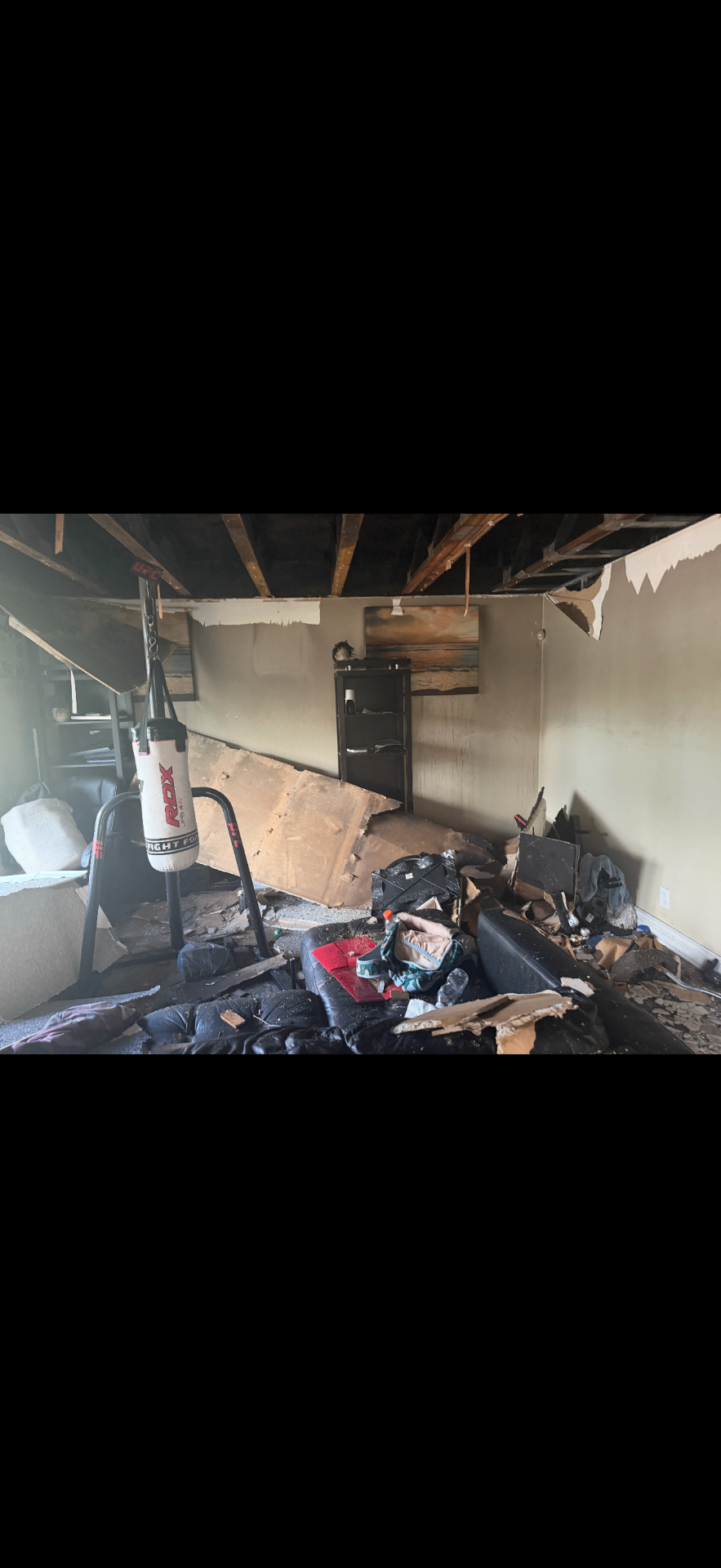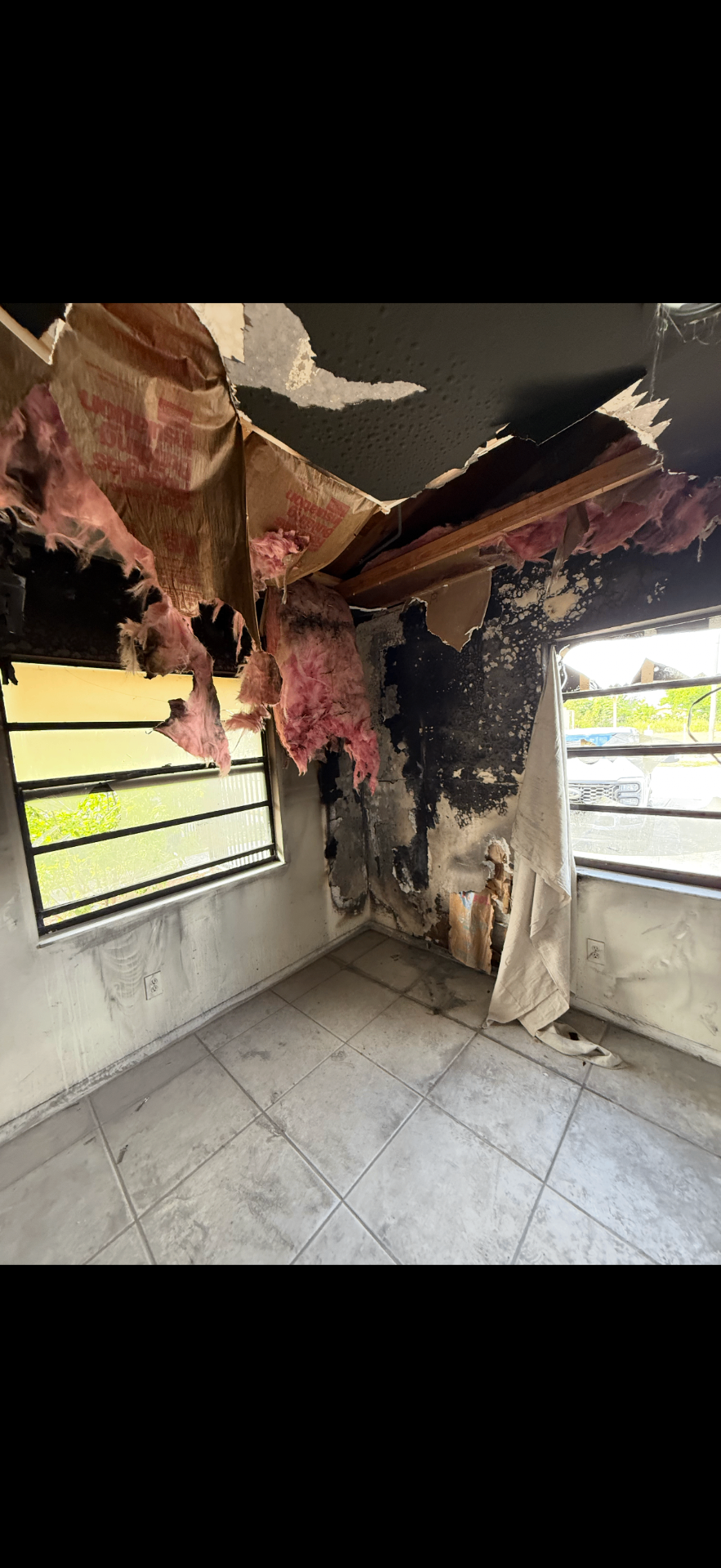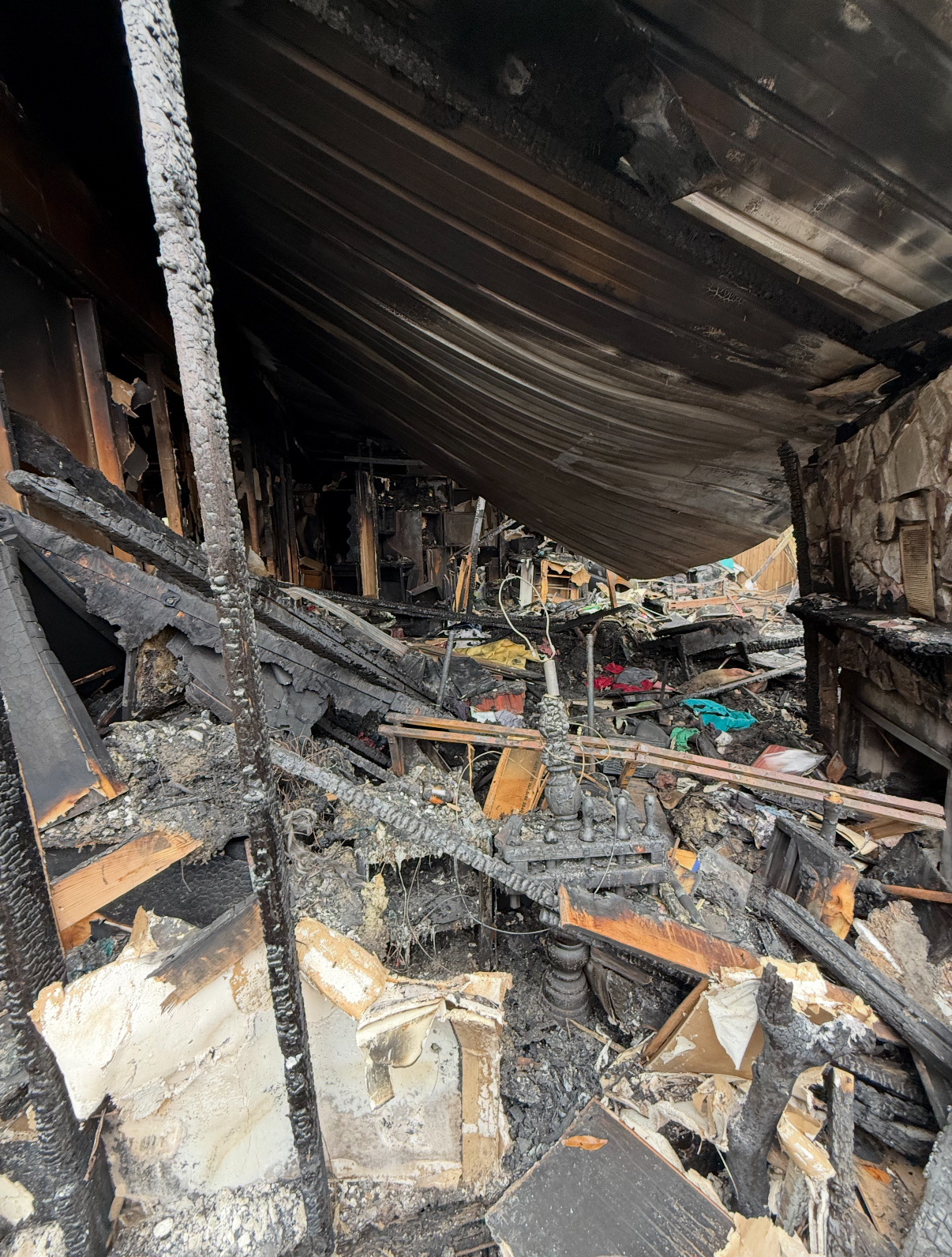
Fire and Smoke Damage Is More Than What You Can See
Fire claims can involve structural repairs, smoke and soot evaluation, contents, debris removal and temporary housing. OTM helps organize documentation and review the policy and insurer's estimate.
Fire Claims Are Emotional — And That's When People Make Costly Decisions
After a fire, people are overwhelmed. That's when two things usually happen: they act too fast with the wrong people, or they wait too long and get no help at all. We've seen both — and both cost serious money.
Before authorizing extensive mitigation or reconstruction, request clear scopes, itemized estimates and copies of signed agreements. Keep records of emergency work and ask how proposed services relate to the documented loss.
Fire Claims Are More Complex Than Most People Realize
Fire losses don't just affect one part of your policy. They often trigger structural damage (Coverage A), personal property (Coverage C), additional living expenses (ALE), debris removal, and Ordinance & Law (code upgrades).
Whether additional living expenses, code upgrades, debris removal or contents are payable depends on the policy and the evidence. Review each relevant coverage separately.
Common Fire-Claim Documentation Questions
Issues that may require additional documentation or discussion with the insurer include:
- Delaying decisions while "investigating"
- Requesting excessive documentation
- Underpaying contents inventories
- Challenging scope on smoke damage
Smoke and soot may affect surfaces, contents and ventilation. Whether cleaning or replacement is appropriate should be based on documented conditions, professional findings and applicable policy provisions.
Items to Document in a Fire and Smoke Loss
Review the following areas when they are affected and relevant to the policy:
- Contents undervalued or incomplete
- Smoke damage not fully proven
- HVAC inspection, cleaning or replacement needs supported by findings
- Debris removal underpaid or omitted
- Ordinance & Law coverage left untouched
Preserve the inspection reports and estimates to support any supplemental review permitted by the policy and applicable law.
What We Do Differently
This is where we separate ourselves:
- We review additional living expense provisions and applicable fee arrangements with the policyholder in writing
- We have in-house contents inventory systems to fully capture losses
- We review smoke and soot documentation against the proposed scope of work
- We can consider appropriate independent testing or specialist reports when the circumstances warrant them
Smoke residues can require specialized assessment; health and environmental conclusions should be made by qualified professionals.
The Truth About Smoke Damage
Smoke contains carcinogens and toxic particles that penetrate materials, travel through HVAC systems, and continue affecting air quality long after the fire.
HVAC cleaning, testing or replacement must be assessed case by case with appropriate professional findings and the policy's scope of coverage.
Bottom Line
Fire claims are not just large — they're highly technical. Handled wrong, they become delayed, underpaid, or completely mishandled. Clear records and a policy-specific review help present the damage for an informed coverage decision.
Fire and Smoke Damage: Documentation Examples