Contents, Inventory & Scheduled Property Claims
The structure gets rebuilt. The contents get estimated.
Here's how contents claims usually go.
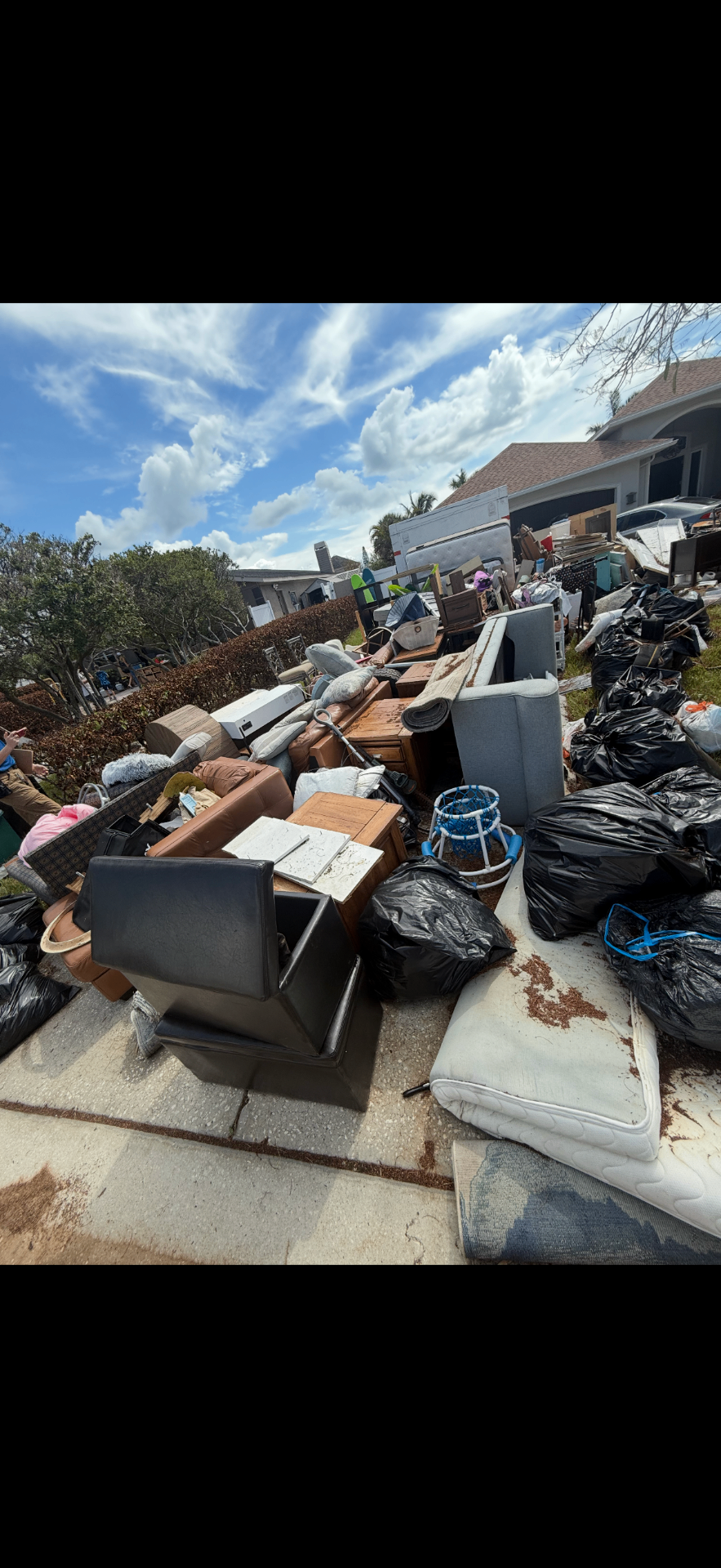
The adjuster walks the house, notes "living room furniture," "kitchen contents," "master bedroom," and produces a number. It sounds like a lot of money. It is not close to what it costs to replace what was in those rooms, and the reason is simple: nobody counted.
Contents claims can be document-intensive. An item-by-item inventory can help the insurer evaluate quantity, condition, loss valuation and relevant policy provisions.
Why a detailed inventory helps
A policy pays for what you can establish you owned and lost. Not for what you say was in the room. Not for a reasonable-sounding round number.
Which means the entire claim reduces to a document: a room-by-room, item-by-item schedule with quantity, age, condition, and replacement cost. That inventory is a useful starting point, but the insurer may request additional evidence or apply coverage limits. Its absence is why owners accept a fraction of what they're owed — not because they were refused, but because they never made the case.
And after a fire or a flood, that's a brutal thing to ask of someone. You're being asked to remember the contents of your own life, item by item, at the worst possible moment.
That's a large part of what we're for.
The coverages hiding inside your contents claim
Sublimits. Standard policies cap certain categories hard — jewelry, furs, firearms, silverware, cash, business property kept at home. Any specific jewelry limit must be verified against your policy and endorsements.
Scheduled property and floaters. High-value items are frequently insured separately, on an inland marine floater with its own terms and often agreed value. Art, instruments, cameras, tools, professional equipment, collections. If those exist, they're a different claim under a different form — and they get missed when nobody reads the whole file.
Actual cash value vs. replacement cost. Contents are often settled at ACV first, with the depreciation held back and released only after you actually replace the items and submit proof. That recoverable depreciation is real money, and it goes unclaimed constantly because nobody told the owner to go back for it.
Commercial inventory. For a business, contents means stock, raw materials, work in progress, and finished goods — each valued differently, each requiring its own substantiation.
What we do
- Build a complete room-by-room, item-by-item inventory of what was lost, with quantity, age, condition, and replacement cost
- Identify every sublimit in your policy and every scheduled item or floater that applies
- Establish replacement cost properly, and pursue recoverable depreciation once repairs and replacements are made
- For commercial losses, value inventory by category with the documentation carriers require
- Present and negotiate the contents claim as its own file, not as a line item on the building
- Keep you informed at every stage
You shouldn't have to reconstruct your life from memory to get paid for it.
Send us the policy and tell us what happened. We'll handle the list.